

The Role of Typography in Graphic Design and How It Impacts Readability
by Peter Skitt, Creative Director of Buzz Design
Typography often goes unnoticed by casual observers, yet it plays a pivotal role in how we interpret written content. In graphic design, typography is more than just selecting a font, it’s about making text readable, guiding the viewer’s eye, and reinforcing brand identity. Whether you’re creating a brochure, website, presentation, or logo, strong typography elevates the experience and ensures your message is clear and memorable.
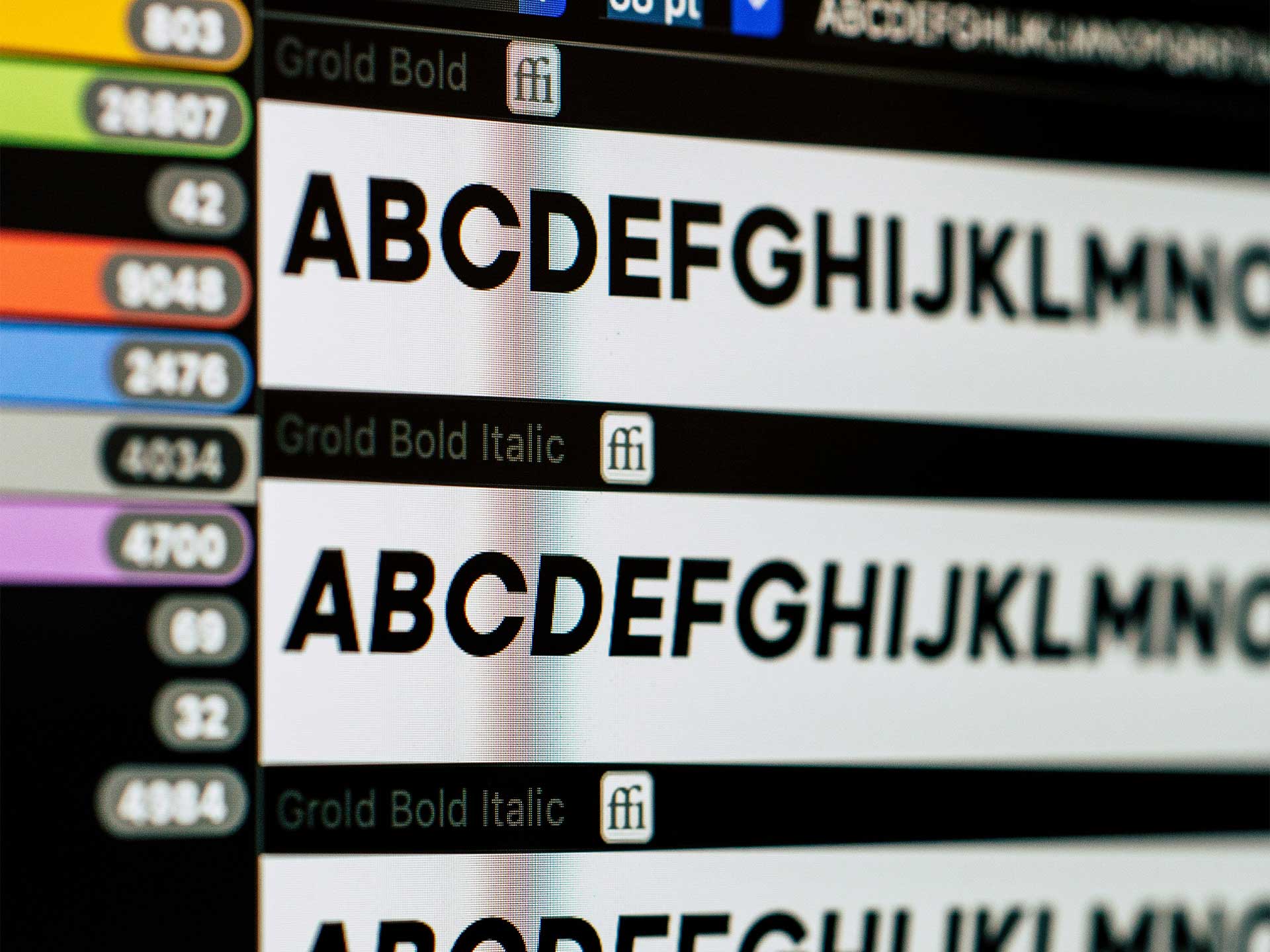
At Buzz Design, we understand that good typography is a blend of art and science. In this article, we explore why typography matters, how it affects readability, and how you can use type effectively in your next design project.
Typography Affects First Impressions
When a viewer encounters anything you’ve designed, typography is one of the first elements they notice. Research shows that people make a first impression in as little as a few hundred milliseconds. Clear, well-chosen typography looks professional and trustworthy, while poor typography can make even strong content feel amateurish. This is especially important for branding and web design, where typography shapes how users perceive your business.
Readability vs Legibility: What’s the Difference?
Two key terms in typography are readability and legibility. While they are often used interchangeably, they refer to different aspects of text:
- Legibility refers to how easily individual letters can be distinguished. Fonts with clear, distinct letter shapes tend to be more legible.
- Readability relates to how easily whole blocks of text can be understood. This is influenced by font choice, spacing, line length, and contrast.
A piece of text can be legible but not readable if the overall arrangement is poor. For example, small font sizes or low contrast can make reading tiring, even if each letter is easy to identify.
How Typography Guides the Viewer
Good typography creates a visual hierarchy that tells the reader where to look first and next. Designers use variations in size, weight, and spacing to indicate headings, subheadings, and body text. This helps people scan information quickly and absorb key messages without effort.
For example, a large bold headline grabs attention, followed by subheadings that provide structure, and body text that expands on the details. Consistent use of typography lends clarity and helps users engage with content in the intended order.
Typography Communicates Tone and Emotion
Different typefaces evoke different emotions and personalities. Serif fonts, such as Times New Roman, often feel formal and traditional, while sans serif fonts like Helvetica are seen as modern and clean. Script or handwritten fonts can bring a sense of elegance or creativity but may sacrifice readability if overused.
Selecting the right typeface is an essential part of building a brand voice. Typography conveys tone without words and reinforces the message you want your audience to feel, whether that is trustworthy, playful, luxurious, or professional.
Responsive Typography for Digital Platforms
In web design, typography needs to adapt to different screen sizes and devices. Mobile responsiveness means text must remain readable on small screens without the viewer having to zoom. Techniques such as scalable units (like rem or em in CSS), careful line spacing, and appropriate font sizing ensure that your content is accessible on smartphones, tablets, and desktops alike.
Google also takes mobile friendliness into account when ranking pages, so responsive typography supports both usability and search engine optimisation. Tools like Google’s Mobile-Friendly Test help assess how well your text displays across devices.
Typography is Crucial for Effective Graphic Design
Whether you are designing a logo, brochure, or website, typography should never be an afterthought. It defines how easily your audience reads your message, how they interpret your brand, and how memorable your design becomes. Good typography bridges the gap between aesthetics and function, making every piece of content more effective.
Buzz Design can help with your typography and design
At Buzz Design, typography is a core part of every visual project we undertake. From crafting clear, engaging websites to designing brochures, logos, and digital content, we ensure that type serves both form and function. If you want design work that communicates clearly, looks professional, and enhances your brand identity, we’re here to help. Call us, email us, WhatsApp us, or fill in this form and we’ll get back to you shortly.